Kay's Picks

    ↓ WHY I USE iHerb ↓


    Wonderful Readers!

    NETWORK READERS

Tuesday, November 23, 2010

DANGERS DURING A VOLCANO

Bookmark and Share
A volcano is a mountain that opens downward to a reservoir of molten rock. When pressure from gases and melted rock becomes strong enough, the mountain erupts in an explosion that spews gases and rocks through the opening. Volcanic blasts can devastate miles of landscape within hours or minutes. Here are some of the things to watch for during a volcanic eruption.

An ASH CLOUD can turn day to night and prevent you from being able to recognize landmarks, coating everything it touches with a dark powder. It is made up of bits of glass and exploded rocks made under extreme temperatures. This corrosive substance does not dissolve and can damage mucus membranes, irritating skin and eyes. Infants and those with breathing problems are most at risk of injury from this. Cover your eyes, nose and mouth.

FALLING ROCKS (pyroclastics) can land miles away from the volcano. Place a ridge line between yourself and the volcano or hold something (backpack, box, trash can lid, your arms etc.) over your head for protection.

FIRES occur wherever burning debris lands onto tinder, spreading quickly.

FLOODING & MUDSLIDES kill more people than the initial blast. Even miles away, these are a danger as normal waterways are clogged or changed by the lava flow, ash and debris.

HEAT is also released with temperatures high enough to burn human flesh. Move away from the blast area to avoid this.

LAVA FLOWS are super-heated molten liquid. Nothing can stop them. Don’t attempt to cross them even if they appear cooled. This could be a thin crust that will give away under your weight. Never try to cross hot spots, mud holes or geysers as the ground surrounding them can be too thin to keep you out of the molten lava below.

POISON GAS and volcanic smog (vog) is the result of sulfur dioxide and other pollutants reacting with oxygen, moisture and sunlight. It can cause lung damage, breathing difficulties, headaches and death. Use a respirator, mask or moist cloth and get away from the area as quickly as possible. DON’T KNEEL OR CRAWL!!! The most dangerous gases often accumulate near the ground.

STRONG WINDS follow an eruption and can be felt miles away from the blast, knocking over trees and structures.

If you live in the vicinity of a volcano, NOW is the time to develop a plan to deal with events in case of an eruption.


Many Indonesians died in the aftermath
of Mount Merapi's eruptions
during October & November 2010.


read more “DANGERS DURING A VOLCANO”

Wednesday, November 10, 2010

DVD REVIEW: "NAKED INTO THE WILDERNESS"

Bookmark and Share
Readers may be interested in seeing an example of how rustic skills can serve you. NAKED INTO THE WILDERNESS gives a good overview of how this is possible. It’s one thing to know how to start a fire or build a shelter, it’s quite another to know how to have a shelter, fire and food without ready-made tools. There’s another level of skill required to know how to utilize the strengths of each individual within a group, take advantage of found materials and manage the variables that weather and terrain can toss your way.

NAKED INTO THE WILDERNESS is a video that demonstrates how primitive skills can be applied in their context. To emphasize the value of each technique, the participants venture into a remote location without iron tools or containers.

Part one takes you into the Kansas woods as you observe skills in several categories. Watch as the individual participants form into a cohesive group, securing food, shelter and the tools they need to accomplish each task.

While stone tools make for a slower work pace, you'll see that a LOT can be accomplished with very few basic materials. Watching this gave me a real appreciation for some skills that modern culture seems to have left behind including:
● basket making
● pottery
● fire-starting
● cooking over an open fire,
● stone knapping to make knives, axes and arrowheads
● cordage
● shelter construction
● foraging
● trapping
● and more

The second part of the video shows another group camp that utilized modern bedrolls and pre-made primitive gear. This footage has some scenes that show how "down time" is used by members of the group to make improvements to the camp. Additionally, there are scenes that show some lighthearted moments. Day 4 contains some silliness as a couple of the guys decide to try swimming in frigid waters. If you'd prefer to pass on some back nudity, skip that section.

The DVD is divided into topical chapter headings so that you will be able to review applicable sections. If you are practicing individual skills, it helps to see them demonstrated in a real life setting -- although this is not a detailed instructional video. You'll also get a pretty good idea of how to prioritize tasks and divide the labor among individuals. NAKED INTO THE WILDERNESS leaves you with an appreciation for how a small tribe or community with few materials and some knowledge can greatly enhance the life of all its members when they are willing to work together.

This is a valuable addition to your library and will work well as a gift if you are interested in these skills for personal use or for demonstration purposes. The production value is not up to the polished standards of a professionally produced work. This is not a video on how to be rescued when lost. Rather, you’ll be invited to enjoy the home movies of experts in primitive skills and gain from their insights. In spite of surface noise distractions, dead air and the occasional “is that thing on?”, there’s a lot to glean from this footage. NAKED INTO THE WILDERNESS takes you from theory to implementation of skills you’ll need to survive in primitive conditions.


Available at Bulk Herb Store.
Click on the image to order.

read more “DVD REVIEW: "NAKED INTO THE WILDERNESS"”

Saturday, October 23, 2010

FASHION SAFETY FOR WOMEN TRAVELERS

Bookmark and Share
A woman’s travelling attire affects her safety and her social interactions. When a woman presents herself in a way that suggests she isn’t carrying valuables and won’t easily be subdued, she can reduce the chances that she will be accosted. It is worth your time and effort to avoid looking like someone that might invite unwelcomed advances.

NO FLASHY JEWELRY
Wearing expensive jewelry when traveling can make you an attractive target. You could be injured if a thief were to grab a chain from your wrist or neck. A diamond ring may attract unwanted attention. If you MUST wear jewelry, choose something pretty that clearly has no value and turn your ring so that only the band shows.

FOOTWEAR
Choose comfortable, flat shoes that make it easy for you to run. You need shoes that protect your feet and allow you to move quickly. Select comfort and practicality over looks.

RESPECT FOR LOCAL SENSIBILITIES
Be aware of local customs when you travel. You are a guest where ever you go. Dress like one. The locals have had generations to develop a way of dressing that suits the climate and the culture. Learn from their example. Find out what is appropriate apparel for the places you are visiting.

Be modest, casual and comfortable. Consider how you might appear to a predator. Women wearing tight clothing, revealing tops and shorts can invite scrutiny from undesirable characters, lewd comments and attempts to look down shirts. Scantily clad women can also be offensive to residents. When it comes to safety, how you look is more important than your intent.

COVER UP
It isn't necessary for a female traveler to cover her head in most places, but there are places where having a covered head means you will get help easier should you need it. When in doubt cover your head. Lay aside opinions about appropriate dress and carry a bandana, scarf or crushable hat. A willingness to cover can convey respect, prevent prying eyes, and help avoid unwanted attention.

In some communities, bare arms and legs are only acceptable during swimming. A lightweight long-sleeved shirt, jacket or sweater can be wrapped around your waist. It will be available for sun protection or warmth and is easily removed when not needed. If you find yourself in a place where bare arms aren’t permitted, you’ll have a quick and easy slip-on solution.

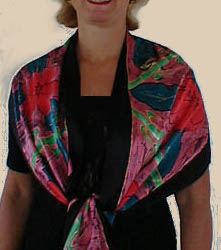
A scarf shows its versatility in this regard. A scarf can be used as a head covering, a shawl or a shrug. If it’s long enough, it can cover your shoulders and your head. A silk scarf can even double as a cover for your motel pillow. In a pinch, it can be folded and used as a sack to carry items.

THINK BEFORE YOU GO
Dressing for safe travel won’t cost you a lot of money, but the time you invest in selecting your garments carefully can be priceless. Instead of drawing unwanted attention, remember that it’s more important to your loved ones that you arrive safely.


In the following clips, Kirsten and Liz discuss how women can dress for safety when traveling. Bulk Herb Store’s Shoshanna demonstrates many ways to accessorize with a scarf.


read more “FASHION SAFETY FOR WOMEN TRAVELERS”

Thursday, September 30, 2010

FIVE POINTS FOR PERSONAL SAFETY

Bookmark and Share
Personal safety has a lot to do with not taking unnecessary risks. While there’s no guarantee that you will never be in an emergency situation, you can take steps to discourage attackers and make rescue more likely. This is an abbreviated list of some things you can do to stay a little safer as you move from place to place.

PREPARATION
• Leave written details of your travel plans with two trusted friends who will notify searchers if you deviate from your itinerary.
• Carry a noisemaker like an electronic device, personal alarm or a whistle. If you have one, use the car alarm button on your key chain.
• Carry a heavy duty flashlight, pepper spray, or even a walking stick. Check laws in your area. In the event of an attack, be prepared to use your choice of device or it could be used against you.

POCKETS
• Avoid carrying a purse or wallet. These are targeted by thieves.
• Use several front pockets for valuables to avoid total loss if robbed.
• Keep emergency money in unexpected places such as shoes, bra, money belt, etc.
• Carry purse or backpack on arm opposite the roadway to make it more difficult for a motorist or bike rider to grab.

PEOPLE
• Walk with confidence keeping your head up, eyes at nose level, alert and with purpose. Attackers look for easy, fearful targets.
• Don’t engage in conflicts that can escalate into physical contact. Criminals sometimes work in packs and try to manipulate someone with a quick temper into striking first. Later, they claim that their assault on your person was self-defense. When you have the option, walk away rather than fight.
Don’t travel alone. Have at least one other person for a walking partner.
• Treat people with respect. Arrogant strutting alienates people that could help you.
• Be willing to learn. Ask questions, seek advice from locals.
• Express gratitude. Say thank you.
• Don’t wear expensive clothing and jewelry unless necessary.
• Avoid drawing attention to breasts, belly or thighs by wearing garments that expose them. Wise clothing choices keep you from being overly attractive to predators and give you freedom to access more locations that may have a dress code. Collared shirts (not sleeveless) and long pants are a good choice for men.

PLACES
• Be aware of your surroundings. Dark lonely places are best avoided. Stay in well lit, populated areas. This is a safer route, even if it takes a bit longer.
• If you see criminal activity occurring, leave the area. Some authorities arrest everyone and ask questions later.
• Public transportation and crowded areas require heightened awareness. These places allow people to jostle and bump into you – perfect opportunities for a thief.
Don’t tune out. Wearing a headset cuts you off from your surroundings, making it easy for an attacker to sneak up on you. When walking alone, don’t listen to electronic devices.

PROTECTION
• Learn some simple, easily performed defense tactics. You don't need to know how to beat an attacker, only how to buy yourself enough time to get away.
• MAKE NOISE if assaulted. Attackers hate attention-making noise. Don't underestimate the power of one person who may come to your aid if they hear you.
Practice yelling at top volume. Tell what is happening, give lots of details and describe your attacker while yelling “Call 911!” Repeat these as often as possible as a command. Witnesses don’t always know what to do and are more likely to respond to instructions than to pleas for help. Your assailants may be so stunned to hear you describe them that they run away.


These short videos below feature Captain Steve Pearl
who elaborates on more safety measures that anyone can employ.


read more “FIVE POINTS FOR PERSONAL SAFETY”

Sunday, September 5, 2010

MAGNESIUM FIRE STARTER STICKS

Bookmark and Share
Magnesium fire starter sticks can help you get a fire going, even in wet conditions. The shavings burn hotter than 1,000°F. This tool is small enough to be kept on a key chain and weighs less than 2 ounces. Similar motor skills as those required to strike a match are all that the user will need to get a spark. Magnesium fire starters respond well to a light touch and finesse rather than blunt force. If the first effort fails, enough magnesium remains on the stick for a few hundred more tries. For these reasons, I think it is an ideal tool for women and children as well as men.

There are three basic components to a magnesium fire starter stick: magnesium, flint and carbon steel. The large, light grey portion is the magnesium. The narrow dark cylinder embedded in one side of the magnesium is the flint rod. The third part of the tool is a separate piece of carbon steel that resembles the blade of a jig saw.

To get a fire started, use the toothed edge of your saw to peel some shavings onto the finest fibers in your tinder nest. Try not to gouge chunks out of the bar. The thinner the shavings are, the easier they are to ignite. Work in an area protected from gusts of wind as these shavings are feather light. If using a knife, utilize the back edge so that you don’t dull the blade of an important tool.

Some instructions recommend creating a dime-sized pile of shavings, but with a well constructed tinder nest, you’ll likely need less. A pile of shavings equal to the size of a pencil eraser may be enough. I recommend that you start with the smaller size and add more shavings if necessary. In this way, you are able to extend the life of your tool.

Hold the magnesium starter in your less dominant hand with the dark flint bar turned upward. Hold the saw blade in your dominant hand, pinching the flat of it between your thumb and forefinger. The narrow edge of the blade will extend just beyond your fingers. Run the short side of the carbon tool across the flint in a downward stroke towards your tinder nest and magnesium shavings. You should immediately see sparks. If they don’t immediately catch, move your hands closer to the magnesium shavings so that there is a better chance of ignition. Hesitate long enough between strikes to check your tinder for a flame.

Another way to coax a spark is to hold the jig blade steady and pull the flint towards your body as you scrape it across the blade, directing the sparks into your tinder bundle. Experiment with both methods to see which is most comfortable and effective for you.
Neither shaving the magnesium nor striking the flint will require you to etch deeply into your tool. If you aren’t having good success and notice that there are deep gouges or an edge that’s worn flat, try a lighter touch.

CAUTION:
Don’t risk holding the tinder nest in your hands when striking a spark with magnesium. It burns so hot that a flaming piece of magnesium could easily burn through human skin all the way to the bone. Instead, allow the magnesium shavings to flare and catch the tinder. THEN you can hold the nest and gently blow, feeding the flame vital oxygen.

Remember, the adrenaline rush of urgent circumstances can decrease fine motor skills, so take the time to get familiar with your fire stick before there is an emergency. Magnesium fire starter sticks can be found at most outdoor retailers for $2 or less. Purchase two of them and practice with one until you are comfortable with it. This small investment of time and money has the potential to save your life.


Here’s a video demonstration of how to start fire using a carbon steel knife with a magnesium fire starter. I don’t recommend gouging at the magnesium in this way, but the process is forgiving and worked for him.

read more “MAGNESIUM FIRE STARTER STICKS”

Kay is . . .

a perpetual student of things I find interesting and (I hope) helpful to others. Feel free to use and apply all information with a healthy dose of common sense. :-)


Search By Category


References & FUN

CLICK THE COUPON 2 VISIT iHERB

iHerbButton

ADD KAY 2 UR LIST!

No Greater Joy!

NGJbutton